




Est-ce qu'un système de filtration est obligatoire dans mon système d'irrigation ?
Is a Filtration System Mandatory for My Irrigation System?
While not always "mandatory" by law, a filtration system is absolutely essential for the health and longevity of your irrigation system. Think of it not as an optional accessory, but as an insurance policy for your entire investment. Without it, you are allowing countless unseen particles—like sand, grit, algae, and mineral sediments—to travel through your pipes and directly to your emitters or sprinklers. What might seem like clean water to the naked eye can contain elements that will inevitably cause clogs, leading to uneven watering and, ultimately, a failing landscape.
The need for filtration is directly tied to your water source and the type of irrigation you use. If you are drawing water from a well, pond, or canal, a filter is non-negotiable, as these sources contain high levels of organic and inorganic debris. Even municipal water, which is treated for human consumption, can contain rust flakes from old pipes or mineral deposits that are harmless to us but devastating to small passages in drip emitters or micro-sprays. The more precise the watering device, the more vulnerable it is to clogging, making filtration the first line of defense.
Skipping a filter might save on initial costs, but it will inevitably lead to higher expenses down the line. Clogged emitters create dry spots, stressing your plants and grass. You will spend significant time and labor manually inspecting and cleaning dozens or even hundreds of emitters. Furthermore, the reduced water flow and increased pressure on the pump from blockages can lead to premature wear and tear, resulting in costly repairs or replacements of major system components. The minor investment in a filter pales in comparison to the headache and expense of fixing a compromised system.
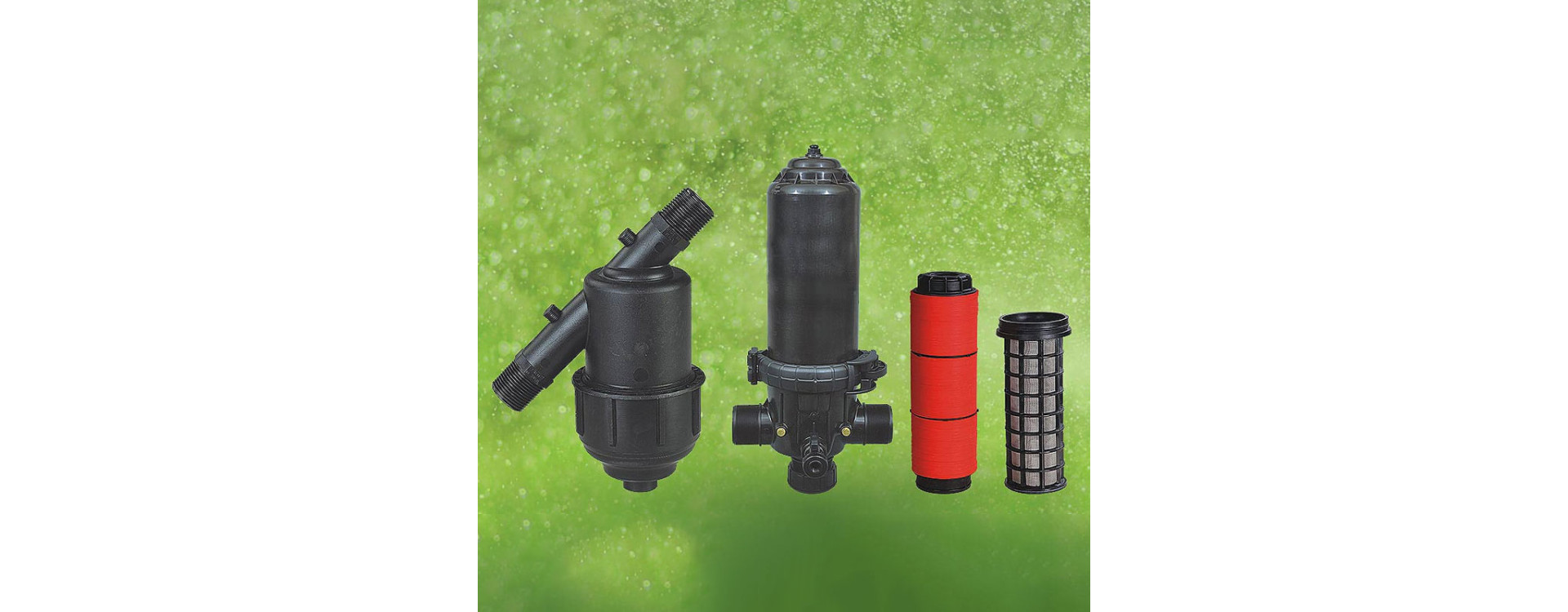
In conclusion, while you can technically install an irrigation system without a filter, you are setting it up for failure. A properly selected and maintained filtration system is a small price to pay for peace of mind. It ensures that every part of your landscape receives the water it needs, protects your financial investment in the equipment, and drastically reduces long-term maintenance. Before you install or upgrade your system, consult with an irrigation professional to choose the right filter type—whether it be a screen, disc, or media filter—for your specific water quality. Your plants, your wallet, and your future self will thank you.
Publié dans:
Sample Category
Articles similaires
 Irrigation goutte à goutte automatique idéale pour un potager de 100 m²
Arroser un potager de 100 m² efficacement, sans gaspillage ni perte de temps, nécessite une installation bien pensée....
Read more
Guide complet : choisir le meilleur filtre pour votre système d'irrigation
Choisir le bon filtre pour votre système d’irrigation est crucial pour garantir une distribution d’eau efficace et...
Read more
Comment déterminer le temps d’arrosage parfait pour votre potager ?
Arroser son jardin semble simple, mais la durée optimale pour un arrosage efficace peut varier en fonction de...
Read more